
The fascinating evolution of gambling through the ages
The Origins of Gambling
The history of gambling dates back to ancient civilizations where games of chance were part of cultural traditions. Archaeological evidence suggests that as far back as 3000 BC, the Chinese played a rudimentary form of dice games. Similarly, the ancient Greeks engaged in betting on athletic contests, integrating gambling into their social fabric. The psychological allure of gambling often leads players to discover the best offshore online casinos, where they can experience this age-old excitement in a modern setting.
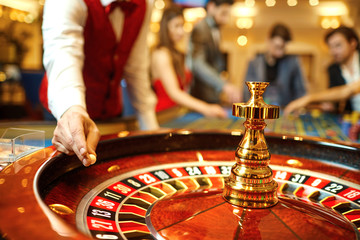
These early forms of gambling weren’t just about chance; they had deep psychological roots. People sought excitement and the thrill of risk, often linking these experiences to fate or divine intervention. The psychological allure of gambling can be traced back to these ancient practices, where chance was intertwined with cultural beliefs.
The Middle Ages and the Rise of Gambling Houses
During the Middle Ages, gambling continued to evolve, particularly in Europe. The establishment of gambling houses became commonplace, allowing individuals to place bets on various games and events. This era saw the creation of numerous card games, which further fueled the gambling culture.
Psychologically, this period marked a shift. Gambling began to be viewed not only as a pastime but also as a source of income. This duality created a complex relationship between players and their bets, often leading to obsession and addiction. The thrill of winning and the despair of losing contributed to the growing fascination with gambling.
The Enlightenment and Legalization
The Enlightenment in the 18th century brought about significant changes in attitudes toward gambling. With the rise of a more rational approach to society, several governments started to regulate gambling. This led to the establishment of state-sponsored lotteries and regulated casinos, which aimed to control the risks associated with gambling.
This shift also transformed the psychological perception of gambling. Once shunned as a vice, it began to be seen as a legitimate activity, albeit with inherent risks. The legalization of gambling allowed for a broader spectrum of games and betting options, catering to the diverse preferences of players and further embedding gambling into popular culture.
The Modern Era: Technology and Online Gambling
The late 20th and early 21st centuries witnessed a technological revolution that reshaped gambling. The advent of the internet opened up new avenues for online casinos, allowing players to gamble from the comfort of their homes. This transition brought a fresh dynamic to gambling, making it more accessible than ever before.
From a psychological standpoint, online gambling has intensified the thrill and risk associated with betting. The ease of access, coupled with the allure of bonuses and promotions, has led to an increase in gambling participation. However, it has also raised concerns regarding addiction and responsible gaming, emphasizing the need for awareness and regulation in this digital age.

Your Ultimate Gambling Resource
For those looking to explore the evolving world of gambling, our website serves as a comprehensive guide. We provide in-depth reviews of the best online casinos, ensuring that players can find secure platforms that cater to their interests. Our curated list highlights top-rated sites that offer a diverse range of games, enticing bonuses, and reliable customer support.
Whether you’re a seasoned player or new to the gambling scene, our expert insights on payment methods, legal considerations, and promotional offers aim to help you make informed decisions. Dive into the world of gambling with us, where you can maximize your winnings while enjoying an engaging and safe gaming experience.