
The evolution of gambling a historical perspective on games and society
Ancient Origins of Gambling
The history of gambling can be traced back to ancient civilizations, where games of chance played a pivotal role in societal culture. In ancient China, around 2300 BCE, people engaged in rudimentary forms of gambling, using tiles to play games that involved a degree of chance. Similarly, archaeological findings in Mesopotamia reveal that dice have been used for millennia, indicating that the fascination with luck and chance has deep historical roots. Today, players looking for excitement in this realm can find the best crypto casino, which showcases how far we’ve come.

As societies evolved, gambling became more sophisticated, with the introduction of betting on events such as horse races and gladiatorial contests in ancient Rome. These activities not only served as entertainment but also reflected social hierarchies and economic conditions, showing how gambling was intertwined with the fabric of society.
Gambling in the Medieval Era
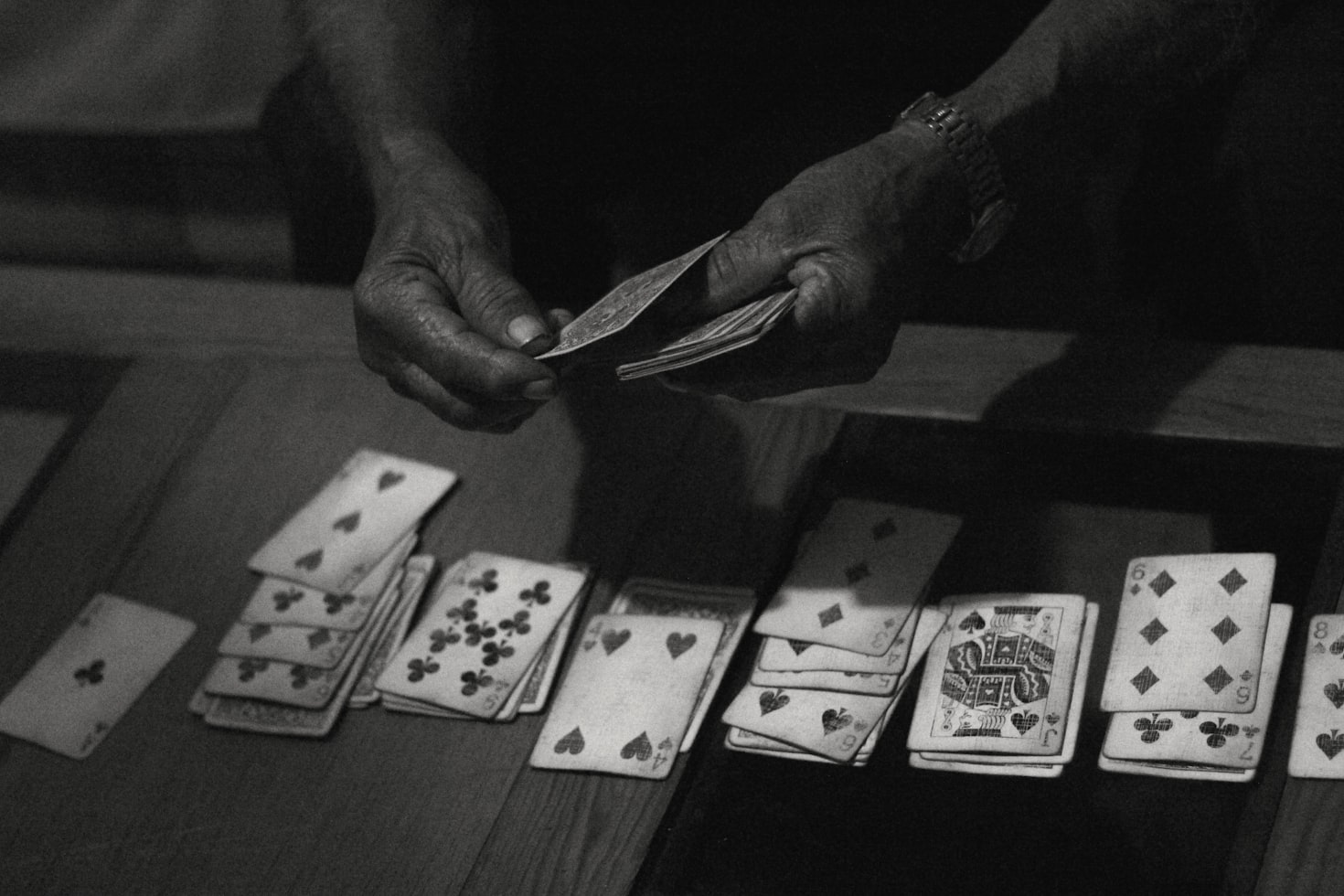
The medieval period saw gambling evolve further, with the advent of card games and organized betting activities. The introduction of playing cards to Europe from Asia in the late 14th century marked a significant shift in gambling practices. Games like poker and blackjack began to gain popularity, as they allowed players to combine skill with chance, making them appealing across different social classes.
This era also witnessed the establishment of regulations and laws governing gambling. Monarchs and religious institutions often sought to control gambling activities due to concerns about moral decay and financial ruin among the populace. Despite this, gambling continued to flourish, revealing the resilience of human interest in games of chance.
The Rise of Casinos and Organized Betting
The 17th and 18th centuries marked the rise of casinos, with establishments like the Casino di Venezia in Italy opening their doors to the public. This period highlighted a shift from informal gambling to organized venues where patrons could engage in various games, enhancing the social aspect of gambling. The casino culture attracted a diverse clientele, from the wealthy elite to the common person seeking entertainment.
As the concept of betting houses became popular, governments began to recognize the potential economic benefits of regulating gambling. This led to the establishment of state-sponsored lotteries in many countries, providing a legal framework for betting that would generate revenue for public projects. The balance between regulation and freedom in gambling became an ongoing theme in societal discussions.
Technological Advancements and Online Gambling
The late 20th century ushered in a technological revolution that transformed the gambling landscape. The advent of the internet allowed for online casinos and betting platforms to emerge, making gambling more accessible than ever before. Players could now place bets from the comfort of their homes, broadening the reach of gambling and attracting a new generation of players.
Advancements in technology didn’t stop there; innovations such as mobile gambling, virtual reality experiences, and cryptocurrency transactions have further reshaped the industry. These changes have not only enhanced user experiences but also raised new questions about regulation, addiction, and the social implications of digital gambling.
Impact of Gambling on Society Today
The evolution of gambling continues to have a profound impact on modern society. Today, discussions surrounding responsible gambling, addiction, and the socio-economic effects of betting have become more prevalent. As gambling becomes increasingly normalized, societal attitudes are shifting, with greater emphasis on the need for consumer protection and education.
Furthermore, with the rise of crypto casinos, players now enjoy enhanced security and faster transactions, highlighting the ongoing interplay between technology and gambling. The societal implications of these changes underscore the importance of understanding gambling not just as a form of entertainment, but as a significant cultural phenomenon that reflects and influences societal values.